
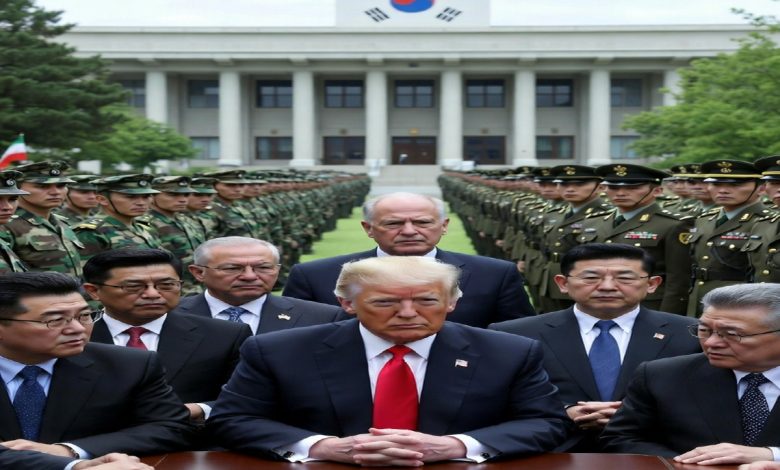
최근 국제 정세를 둘러싼 여러 발언과 보도는 한 가지 공통된 질문으로 수렴된다.
“한국은 다시 전투 병력을 해외에 파병하는 국가로 돌아갈 것인가.”
일부 정치·미디어 담론에서는 이재명 정부가 특정 외교·안보 협력 구도에 사실상 ‘거리두기’를 취하고 있다는 해석이 제기되는 한편, 도널드 트럼프 중심의 안보 재편 구상이 다시 부상하면서, 일본과 중동—특히 이란—을 축으로 한 군사적 긴장 확대 시나리오가 동시에 거론되고 있다. 이러한 흐름 속에서 “한국군 해외 파병의 부활”이라는 정치적 프레임이 다시 등장한 것이다.
그러나 이 문제는 단순한 정치적 선택이 아니라 헌법·동맹·국제법·국내 여론이 교차하는 복합 구조다. 한국의 해외 파병은 헌법상 국회 동의를 필요로 하며, 실제 사례 또한 제한적이었다. 이라크 파병, 아프가니스탄 파병 등은 모두 전면전 참여가 아닌 재건·지원 중심이었다는 점에서, “전투 군대의 부활”이라는 표현은 정치적 해석의 영역에 가깝다.

그럼에도 불구하고 현재 논의가 주목받는 이유는 국제 질서의 변화 때문이다. 미국은 동맹국의 **‘책임 분담 확대’**를 지속적으로 요구해 왔고, 일본 역시 자위대의 역할 확대와 안보 정상국가화를 추진 중이다. 이런 흐름 속에서 중동 긴장이 고조될 경우, 한국 역시 해상 보호, 후방 지원, 정보 협력 등 다양한 형태의 참여 압박을 받을 가능성은 존재한다.
특히 일본이 군사적 역할을 확대하는 상황은 한국에게 복잡한 전략적 선택을 요구한다. 한편으로는 한미일 협력 구조 유지, 다른 한편으로는 국내 정치와 역사적 인식, 그리고 중국·러시아와의 관계까지 고려해야 하기 때문이다. 결국 문제의 핵심은 “참여 여부”가 아니라 어떤 형태로, 어디까지, 어떤 명분으로 참여할 것인가에 있다.
이 과정에서 가장 경계해야 할 것은 확인되지 않은 정보와 과장된 시나리오다. 특정 정치인 발언이나 온라인 콘텐츠를 기반으로 한 “전면 파병” 혹은 “즉각 전쟁 참여”와 같은 주장은 실제 정책 결정 과정과는 상당한 거리가 있다. 국가의 군사 개입은 단일 이벤트가 아니라 다단계 검토와 동맹 조율, 그리고 국내 정치적 합의 과정을 거쳐야 하기 때문이다.
결국 이 논쟁은 단순히 한 정부의 선택 문제가 아니다.
한국이 앞으로 ‘전투 국가’로 갈 것인지, 아니면 ‘제한적 참여 국가’로 남을 것인지에 대한 전략적 방향성의 문제다.
그리고 그 답은 아직 확정되지 않았다.
참고문헌
- 대한민국 국방부, 「해외파병 역사 및 정책 자료」
- 국회 입법조사처, 「한국군 해외 파병의 법적 근거와 사례 분석」
- 미국 국방부, Indo-Pacific Strategy Reports
- 일본 방위성, 방위백서 (최근 연도)
- 국제전략문제연구소 (IISS), Military Balance Reports
- 주요 국제 언론(Reuters, AP, NYT 등)의 중동 및 동북아 안보 관련 보도 종합
Socko/Ghost


![[정치광신] 그는 왜 방아쇠를 ‘정의’라 불렀나… 트럼프 암살 미수와 응징 정치의 괴물](https://newsvow.com/wp-content/uploads/2026/04/크기변환bbc4-390x220.png "[정치광신] 그는 왜 방아쇠를 ‘정의’라 불렀나… 트럼프 암살 미수와 응징 정치의 괴물")
Some genuinely choice posts on this internet site, bookmarked.