Escalating cross-border strikes deepen instability for already vulnerable refugee communities
Lebanon’s Palestinian refugees suffer amid war, facing insecurity and trauma, in camps under attack.
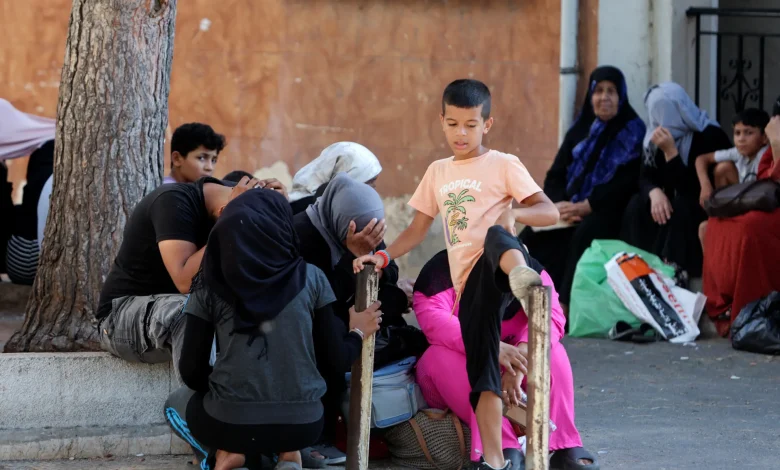
The expansion of military strikes into Lebanon is triggering a new wave of displacement among Palestinian refugee communities, compounding an already severe humanitarian situation across the region.
For decades, Palestinian refugees in Lebanon have lived in precarious conditions, often confined to overcrowded camps with limited access to basic services. The latest escalation is now pushing many of these families into renewed uncertainty, as airstrikes and cross-border tensions threaten areas previously considered relatively stable.

The situation highlights a recurring pattern in Middle Eastern conflicts, where vulnerable civilian populations bear the brunt of geopolitical confrontations. Refugee camps, often lacking robust infrastructure or protection mechanisms, become highly exposed during periods of military escalation.
Humanitarian organizations are raising alarms over the deteriorating conditions, warning that displacement cycles are intensifying without clear pathways for recovery or resettlement. Access to medical care, food supply, and shelter is becoming increasingly strained as the conflict widens.
The broader implications extend beyond immediate humanitarian concerns. The destabilization of refugee populations can create long-term regional pressures, influencing migration patterns, security dynamics, and political tensions across neighboring states.
As the conflict continues to evolve, the plight of Palestinian refugees in Lebanon underscores a critical dimension often overshadowed by strategic and military narratives — the human cost of prolonged instability.
Socko/Ghost